
Growth takes more than a strategy
Growth can come from strengthening the core, organic innovation, new ventures, partnerships, and acquisitions. Each presents different levels of uncertainty, investment requirements, and organizational demands. Making the portfolio work requires clear choices, sustained leadership attention, and the right operating conditions to turn promising opportunities into commercial results.
Growth is a portfolio, not a single lever
Growth can come from strengthening the core, organic innovation, new ventures, partnerships, and acquisitions. The challenge is not simply choosing among these paths. It’s making the portfolio work through clear choices, leadership attention, and the right operating conditions.
AI is changing the way organizations make and act on growth decisions. The opportunities range from testing specific ways AI could drive growth to rethinking how the business operates with AI at its core.
Read our article: What is your innovation portfolio designed to do?
What we do
Identify what’s holding growth back and the choices and changes needed to address it.
Connect new growth opportunities to business strategy, with clear priorities and investment choices.
Help senior teams make important choices, use evidence well, and redirect resources when needed.
Turn strategy into focused action, learning, and decisions so progress comes from evidence, not slides.
Develop the blueprint for growth, designing the planning processes, decision frameworks, and operating rhythms that align priorities, resources, and execution.
Help teams identify and test ways AI could create customer value or open new growth opportunities.
Six principles guide our work
Make growth a leadership responsibility
Growth can’t be delegated to a single function, whether strategy, product, innovation, or marketing. Senior leaders need a shared view of the growth agenda, the risks of acting and waiting, and the role they must play.
Get to the real challenge
Understand the gap between the growth ambition and current reality, including the strategic and organizational barriers standing in the way.
Make the tradeoffs explicit
Decide what to prioritize, what to fund, and what to pause or stop so the most important growth priorities have a real chance to succeed.
Turn priorities into action
Translate strategic priorities into accountable owners, committed resources, and coordinated work across the organization.
Protect attention and momentum
Maintain leadership attention and a regular decision rhythm so urgent demands from the core don’t crowd out longer-term growth. Use evidence from customers and the market to adapt without losing momentum.
Build the system around the work
Put the decision rights, measures, capabilities, and routines in place to support this work and future growth efforts without forcing them into systems designed for the core business.
Connecting growth strategy to the innovation system that supports it
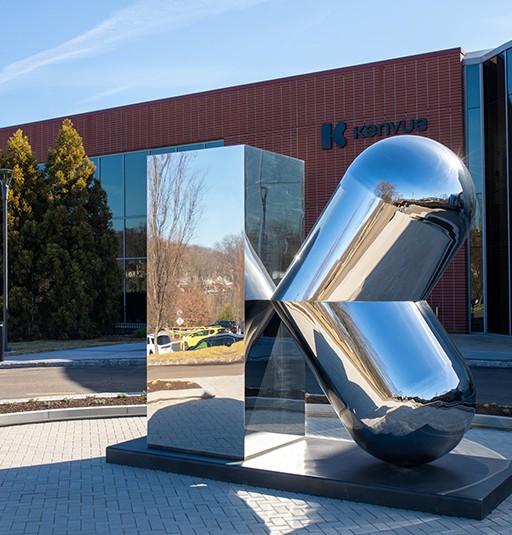
See how Triple Agent helped Kenvue connect its growth strategy to the innovation system that supports it, across insights, business units, and R&D.

Defining Product Innovation’s strategic role in a changing business
See how Triple Agent helped Lululemon articulate Product Innovation’s strategic role, connecting its portfolio and future direction to the needs of the business.


Helping Mars shape new global innovation platforms and strengthen team capabilities
Read how Triple Agent advised and coached the leaders and cross-functional team behind a global Mars Inc growth initiative, helping them sharpen opportunities, test assumptions, and navigate key decisions.


We don’t assume. We investigate.
Growth plans rarely show the full picture. We work behind the scenes with leaders and teams to uncover what’s harder to see: competing commitments, decisions that get reopened, and ways of working that quietly stall progress.
Depending on the challenge, we act as an independent thought partner to senior leaders, facilitate working sessions to navigate critical choices, or bring in specialist partners to support specific initiatives.
We stay involved to provide continuity, challenge assumptions, and help leaders maintain alignment as their teams put decisions into practice. Each engagement starts with an assessment to connect those realities to the growth agenda and identify what needs to change.
Growth strategy
Decision-making
Metrics
Capabilities
Working rhythms
Growth System Assessment
A six-week assessment of the strategy, leadership, and operating conditions shaping growth.
For leaders who know growth needs attention, but need a shared view of what is really in the way before deciding what to do next.
What we do
Review your growth agenda, current priorities, and the shifts reshaping the choices ahead
Speak with key leaders and stakeholders to understand the human and organizational dynamics shaping progress.
Lead a working session to identify the constraints, choices, and changes that matter most
What you gain
A clear view of the gap between growth ambition and operating reality
An outline of leadership choices and priorities for the next phase
A practical action plan for what to do next
Not sure where to start?